
JED Partners with Clemson University to Understand Young Men’s Online Behavior
Our findings show that many young men experience emotional distress, but their expressions of it are often indirect, coded, or displaced into humor and meme culture. Using language unique to them and their experiences, young men have a lot to say, but we can do more to meet them where they are.
What Online Spaces Are Getting Right and Wrong About Young Men
The study, “Beyond the Words: Young Men, Online Language, and Emotional Well-Being,” found that many boys and young men are going to social media and other online spaces in search of mental health support, but very few are finding resources that speak to them, using language they use. They show a desire for community connection and emotional support, signaling a need for mental health leaders to find new ways of communicating that better meet them where they are.
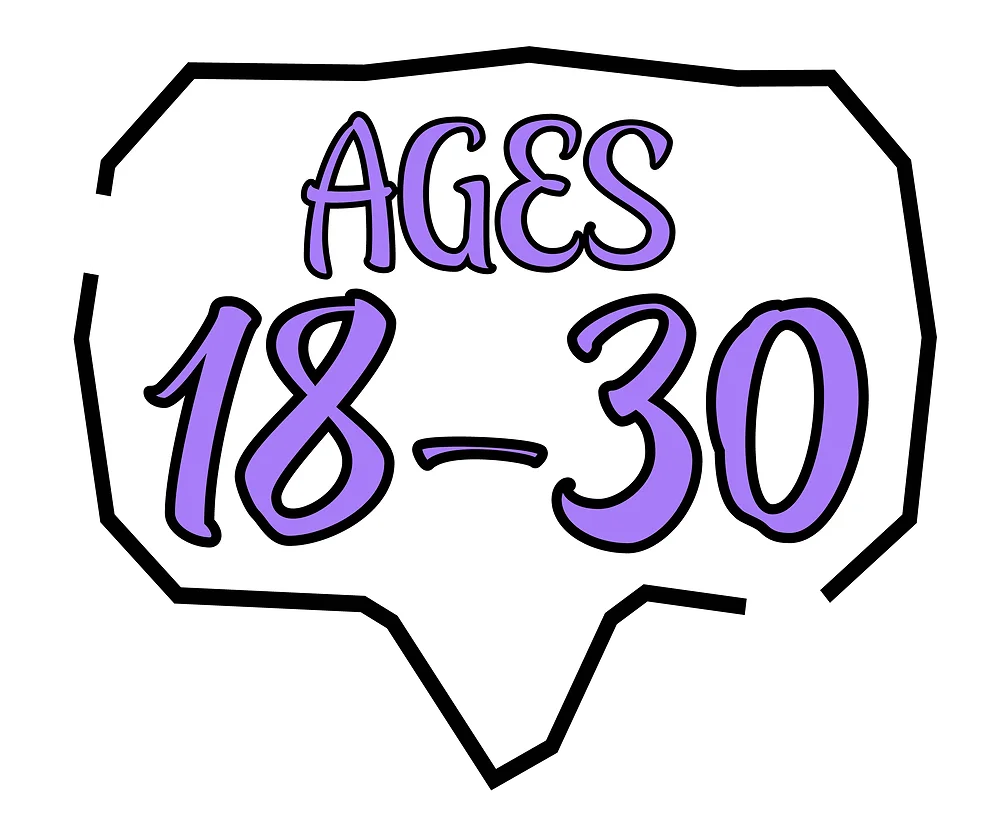
Boys and young men aged 18-30 years old were studied to observe their emotional well-being online
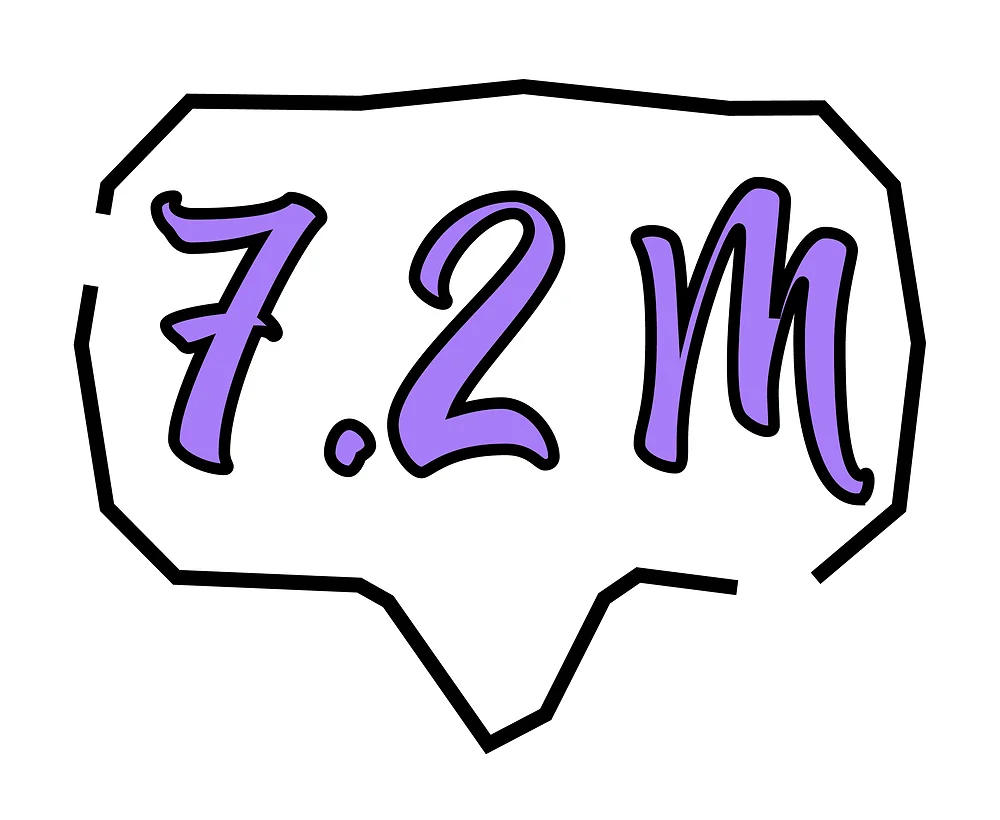
7.2 million online mentions collected between July 2024 and October 2025
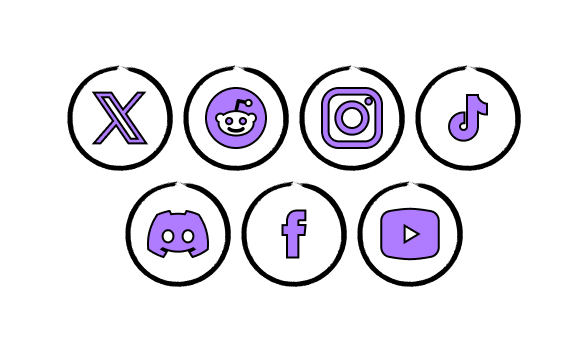
7 social media platforms were monitored.
Humor and Memes
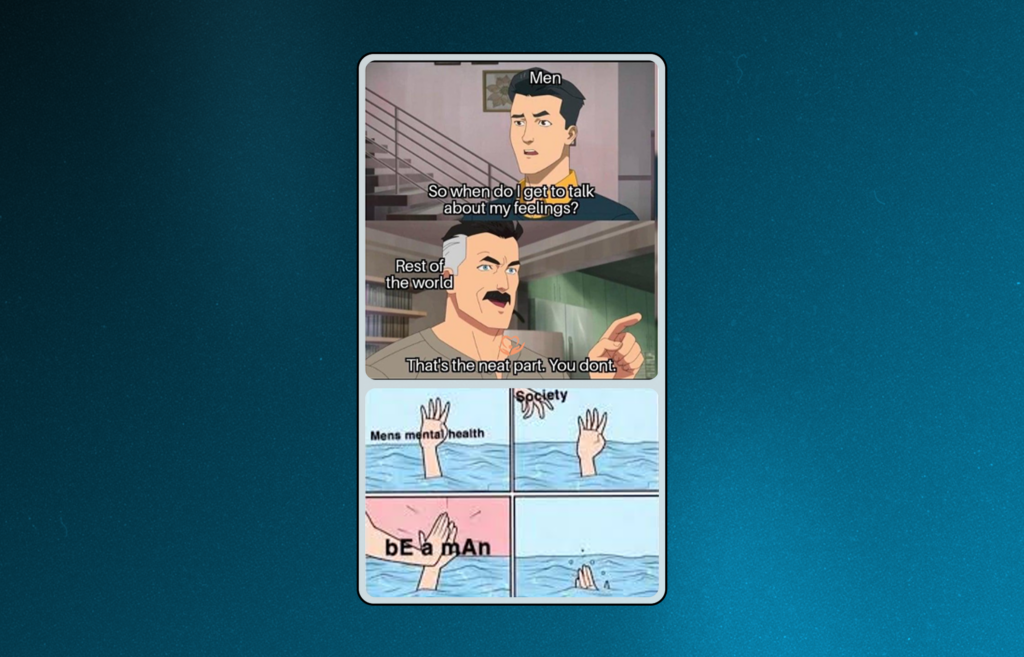
Young men rarely use clinical terminology (e.g., depression, anxiety). Instead, they often use humor, sarcasm, memes, and codes (e.g., gaming metaphors) to signal distress.
Niches and Norms
Young men aren’t a monolith – how they talk about mental health varies by subculture. Gaming communities, fitness spaces, college environments, and military-affiliated groups each have distinct norms and language.
The Masculinity Filter
Cultural narratives around masculinity, including “alpha” stereotypes and norms around not showing emotion, shape how young men behave online.
…Memes can function as emotional shorthand between young men in digital spaces, enabling connection and acknowledgment without the vulnerability of direct conversation. The sender can identify with the content while maintaining emotional distance, and recipients can respond with understanding without forcing explicit discussion.