


Remembering Tyler: Alyssa on how her brother’s kindness lives on
After losing her brother to suicide, Alyssa is learning to live with grief, complicated memories, and the many ways her brother’s kindness lives on. One ...
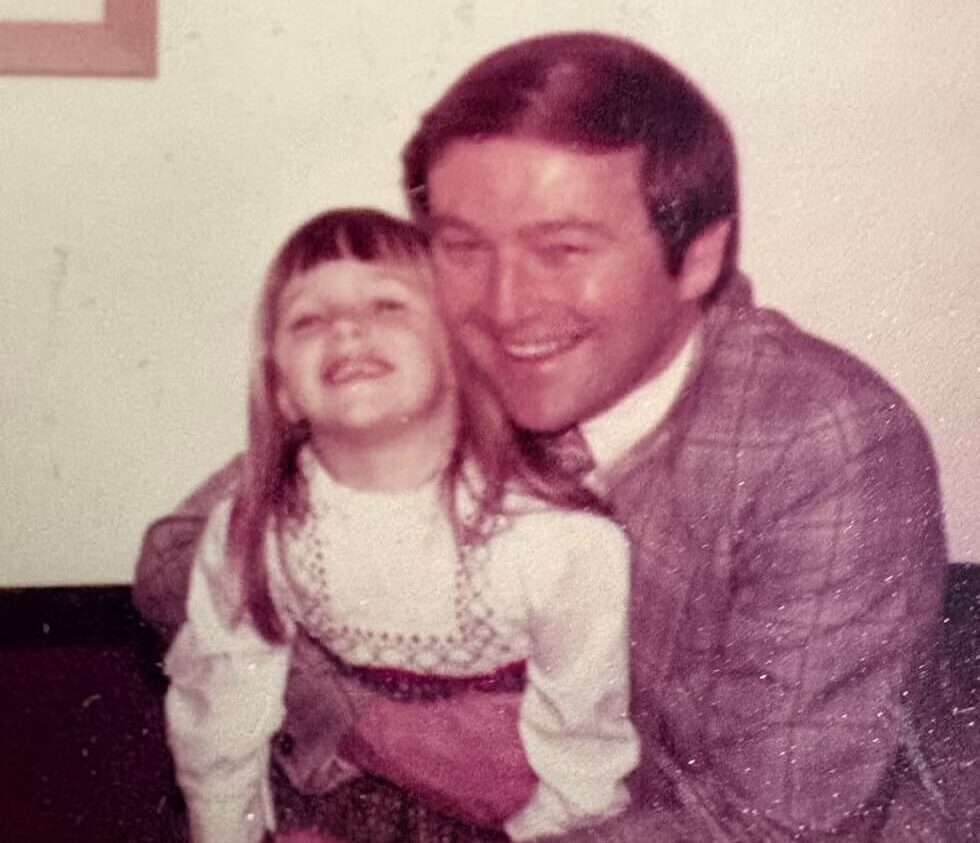
Nearly 30 years after losing her father to suicide, The Jed Foundation (JED)’s Dr. Katie Hurley reflects on the questions that remain, the memories she carries, and what she’s learned about supporting others through grief.
When Dr. Katie Hurley turned 52 this year, she reached a milestone she’d been thinking about for a while.
Her father was 52 when he died by suicide in 1998. Katie was 23, halfway through her master’s degree in social work.
Nearly three decades later, she’s a mother of two, a therapist, an author, and Vice President of Community Initiatives at JED.
Reaching the age her father was when he died brought back familiar feelings.
There have been other moments like this. Her wedding. The birth of her children. Her experience with cancer. Times when she wished she could reach for her father, only to remember that he wasn’t there.
And sometimes, even with all her professional training and experience, she finds herself returning to the same questions she had at 23.
Were there signs? Should she have recognized what he was going through? Could she have done something differently?
“We only know what we know,” Katie says.
Looking back, she can recognize things about her father’s behavior that she didn’t understand at the time. But warning signs aren’t always easy to spot, even for people trained to look for them.
When Katie’s father died, her family struggled for months to find the words to explain what happened.
There was so much stigma surrounding suicide. Even people who cared about her didn’t always know what to say.
Today, Katie speaks openly about her father’s suicide. And she says she sees meaningful progress in how people talk about suicide and mental health, and in how they respond when someone shares a loss.

When Katie talks about her father, she talks about more than the circumstances of his death.
She remembers his old wooden Chris Craft boat.
When Katie was little, she was terrified of it. The boat was loud, and she didn’t like the smell or the feeling of leaving the dock.
Her father didn’t force her to go out on the water. Instead, he invited her to spend time with him on the boat while it was tied up. And eventually, when she was five, she agreed to go for a ride.
Katie remembers sitting beside her father on the Long Island Sound, holding his hand as the boat picked up speed.
She can still remember the wind on her face.
It’s one of her favorite memories of him.
When Katie approached her recent birthday, she asked her siblings and mother to join her at an American Foundation for Suicide Prevention (AFSP) Out of the Darkness walk.
She wanted to mark the milestone together.
At the event, she spoke about her father and the questions she’s carried since his death.
Katie knows how difficult it can be to talk about suicide loss, even with people who care about us.
When her father died, friends and neighbors brought food, sent cards, and checked in. But after a few weeks, much of that support disappeared.
“The hardest part is that third week,” she says. “It’s like everything goes silent.”
Katie encourages people to keep reaching out, even months or years after a loss. And she says there’s no reason to avoid mentioning the person who died out of fear of upsetting someone.
“Saying their names and naming that it’s hard to be without that person is the best thing you can do.”
Dr. Katie Hurley shared her story as part of JED’s International Survivors of Suicide Loss Day campaign. You can read more stories, access resources, and share a memory of your own here.
If you or someone you know is in crisis or needs support right now, text, call, or chat 988, or text HOME (or HOLA) to 741-741 to reach the Crisis Text Line.
If you or someone you know is in crisis or needs support right now, text, call, or chat 988 Lifeline, or text HOME (or HOLA) to 741-741 to reach the Crisis Text Line.