


What a Mother Learned After Losing Her Son to Suicide
The first item in their new house was a brown little army guy that Joey placed on top of a motion detector to keep everyone ...
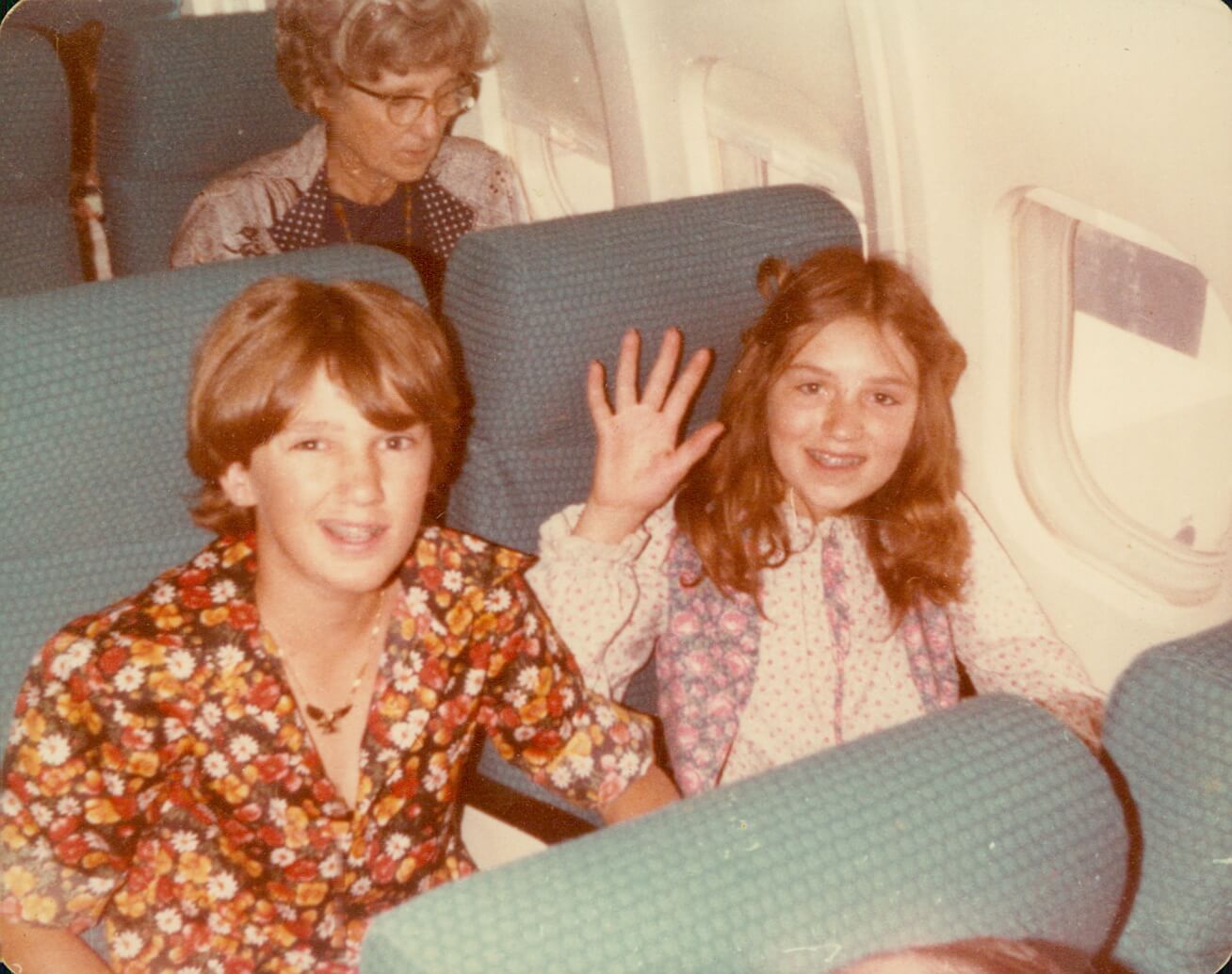
Chryss felt her chest tighten.
Watching her oldest daughter walk through the double doors at her high school for the very first time, Chryss thought: “It’s going to eat her up. She’s not going to come back out.”
She thought about going inside to make sure she was OK, to ask someone to look out for her. She realizes today that it was her own childhood that was haunting her.
It was 2018, nearly 40 years after Chryss lost her older brother, Mark, to suicide.
He was 15, a high school freshman, funny and high-energy, the kind of brother whose musical tastes became hers. Who shared dozens of quiet moments with his sister. Brushing teeth over the sink. Walking to the school bus. Digging for arrowheads in the summer. Catching frogs.
She was 12. That was the year her childhood ended.
For decades afterward, she didn’t talk about him. “I repressed it for maybe 30 years,” she says. “Most people in my life didn’t even know I had a brother.”
Then one day, two students at a nearby high school died by suicide. Chryss, a reporter with the local paper, watched as editors struggled with speculation. Why would they do that?
“You’re never going to know the answer to that,” she thought. She wrote an opinion piece about her own experiences called “Pain That Never Leaves Hits Home.” It ran on the front page.
When Mark died in 1981, the adults around Chryss didn’t know how to respond. The morning after his death, she was sent to stay with family friends, who sat her down and said: “When you go home, be strong for your parents.”
Six months later, ABC filmed a national segment on teen suicide at her family’s home in Loveland, Colorado. In the footage, 12-year-old Chryss sits at one end of the couch, her parents at the other.
“I remember watching it years later and thinking, why didn’t somebody have their arm around me?” she says. “Why didn’t anyone hold my hand?”
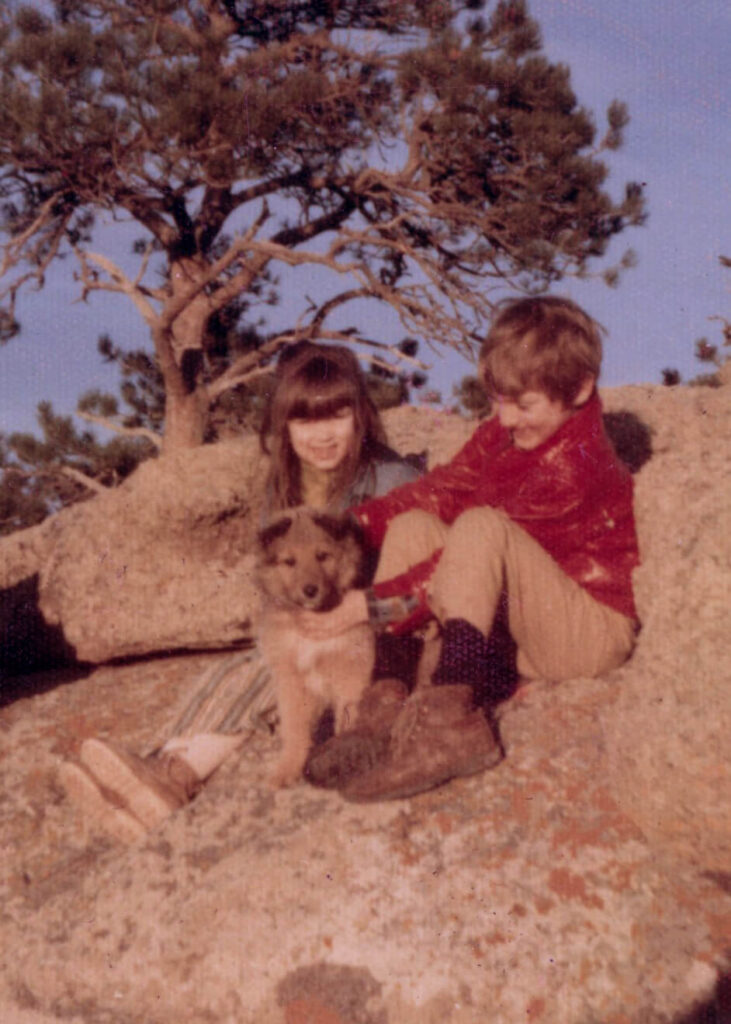
Her parents grieved differently. Her mother threw herself into activism, speaking publicly about suicide prevention. Her father, an engineer, turned inward. “He kept his head down. Went fishing.”
No one really knew how to talk about suicide, or comfort a child living through it. Chryss found the most comfort from Mark’s friends.
Fast forward to when her daughter walked into that high school decades later and the past came rushing back.
“I didn’t expect it,” Chryss says. “I saw her go through those doors, and I just couldn’t leave.”
When the pandemic hit, things got harder. “My daughter was 15, the same age as Mark. And in my head, that meant I was going to lose her, too.”
She found a therapist. She started writing again. She began to talk about Mark.
“My grief was patient,” she says. “It just waited for me to grow up.”
Today, Chryss teaches journalism at Colorado State University. She begins each class with a mental-health check-in: How’s your roommate? What’s overwhelming you this week?
Her students, many of them freshmen, often respond with relief. “They want to talk about this stuff,” she says. “They’re not getting it anywhere else.”
Chryss’s parents still live in the same house where she and Mark grew up. When she visits, she sits and talks to him.
“I was always on Mark’s side,” she says. “Someone should have helped him.” But they didn’t know how back then.
Now, she’s trying to be that person for others, especially for siblings. “After a suicide, everyone says, ‘your poor parents,’ and that’s true. But siblings are often forgotten mourners,” she says. “They lose their person.”
At sunset each day, Chryss looks to the horizon and continues that conversation with Mark.
“I ask him for advice,” she says. “He’s my biggest champion, my professor, my advocate.”
Forty-four years after his death, she’s written the book she wishes someone had written for her. It’s called At the Top of the Stairs: A Child’s Story of Losing her Sibling to Suicide.
It’s where she sat as a 12-year-old, listening to the adults downstairs, waiting for someone to say his name.
Chryss Cada shared her story as part of JED’s International Survivors of Suicide Loss Day campaign. You can read more stories, access resources, and share a memory of your own here. You can also visit Chryss’s website to learn more about her work.
If you or someone you know needs to talk to someone right now, text, call, or chat 988 for a free confidential conversation with a trained counselor 24/7.
You can also contact the Crisis Text Line by texting “HOME” to 741741.
If this is a medical emergency or if there is immediate danger of harm, call 911 and explain that you need support for a mental health crisis.
If you or someone you know needs to talk to someone right now, text, call, or chat 988 for a free confidential conversation with a trained counselor 24/7.
You can also contact the Crisis Text Line by texting HOME to 741-741.
If this is a medical emergency or if there is immediate danger of harm, call 911 and explain that you need support for a mental health crisis.