


Meet the 2026 JED Texas Youth Advocacy Coalition Fellows
The Jed Foundation (JED) is proud to announce the 2026 Texas Youth Advocacy Coalition Fellowship Cohort in partnership with the Trellis Foundation. This ten-week, paid, ...
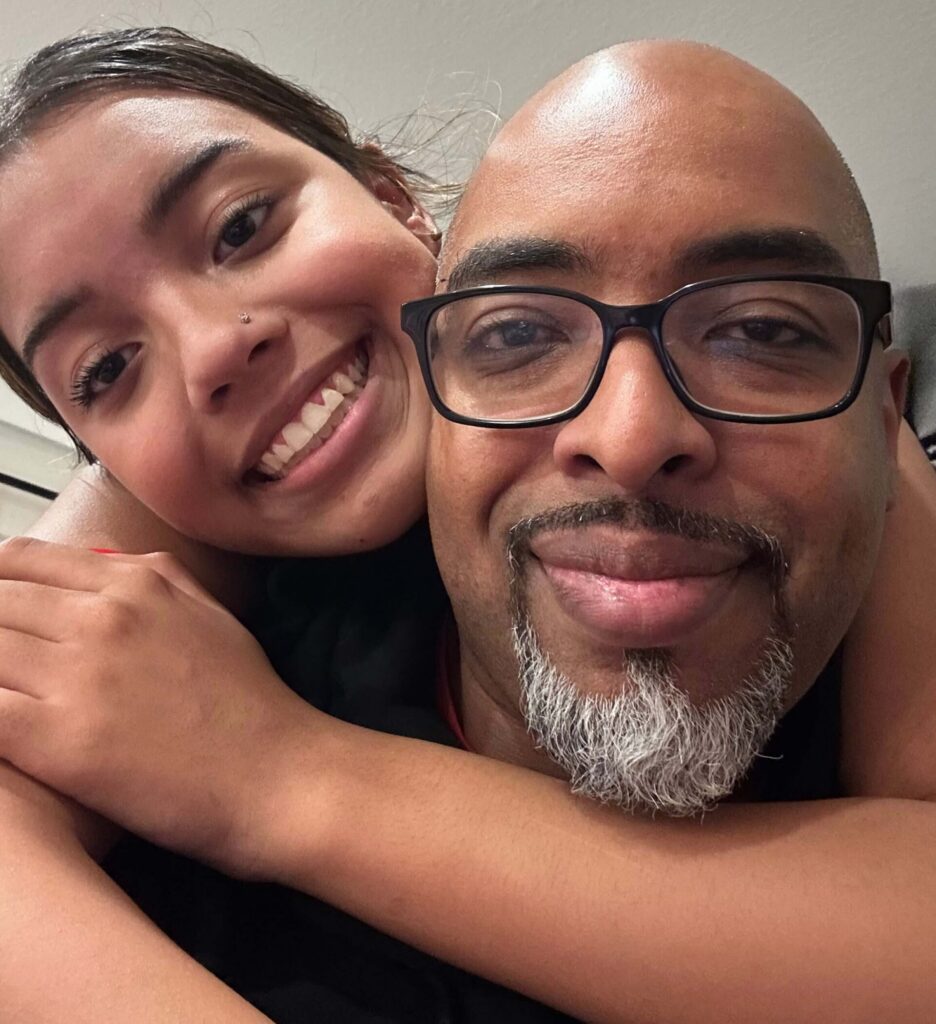 Savannah was usually the one making everybody else feel better. She was a jokester. And if any of her friends were having a hard time, Savannah was often the person who stepped in. “She was always the light of the room,” her father, Derek, said. She painted, too. Derek recalls one painting in particular: a road beneath a darkening sky, clouds blended together above the silhouettes of trees. Another showed two figures embracing, with one seeming to fade away. He remembers being astonished by what his daughter was creating, and when it came to painting or coloring butterflies, what beautiful pieces she did. Afterwards, her friends told family members stories about how she had helped them through their own difficult moments. She was the one who cheered them up. “How was she struggling like this, but still not showing that?” he recalls thinking. Derek knows now that there may not have been anything easy to see. A young person can be the friend in their group who always seems cheerful. She can spend time with her family, make art, show up for her friends, and still be struggling in ways the people who love her may not fully recognize. For Derek, that changed the way he thinks about what it means to look out for a child. “We make sure they have a home. We show them love. We make sure they have whatever they need materially,” Derek says. “But at the end of the day, there’s a lot more than just that. Spend time with them. Talk to them. Let them know they can be open with you, and they matter, that they have purpose here on earth. Try to understand how they’re feeling. ” Today, Derek tries to encourage parents to spend time with their kids and keep talking — even when it’s hard to know what to ask, or what to say. Check in with how they’re doing. Listen to what they have to say. And make sure they know you’re not the only person they can turn to. Derek has also found support for himself. He has learned how common the “what if” questions are for parents grieving a child. He can’t answer those questions. So he talks about what he can do now. He can tell other parents not to wait for the perfect moment to start a difficult conversation. He can tell young people that there are grown-ups willing to listen. And he can keep talking about Savannah. “She just had an amazing spirit with her,” he says. “Quick to show love, quick to help.” If you or someone you know is in crisis or needs support right now, text, call, or chat 988, or text HOME (or HOLA) to 741-741 to reach the Crisis Text Line. Derek’s story was shared as part of JED’s Suicide Prevention Awareness Month campaign. You can read more stories and access resources here. Related links |
If you or someone you know is in crisis or needs support right now, text, call, or chat 988 Lifeline, or text HOME (or HOLA) to 741-741 to reach the Crisis Text Line.