

Meet the 2026 JED Texas Youth Advocacy Coalition Fellows
The Jed Foundation (JED) is proud to announce the 2026 Texas Youth Advocacy Coalition Fellowship Cohort in partnership with the Trellis Foundation. This ten-week, paid, ...
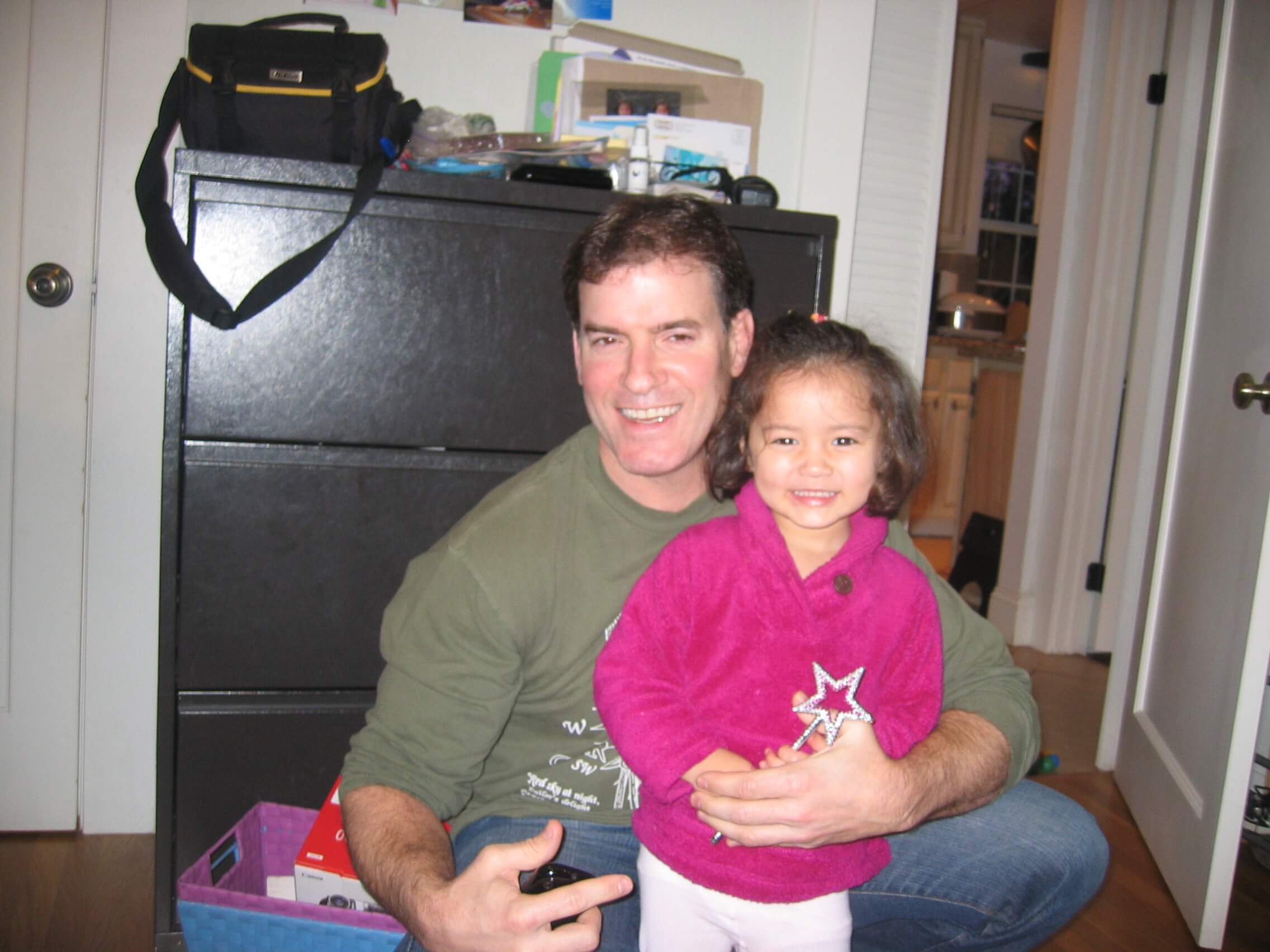
When Stanford soccer player Katie Meyer died by suicide in 2022, 14 year old Charlotte Rosario was heartbroken. But what stayed with her was how quickly the world seemed to move on. That silence felt familiar.
Charlotte had lost her father, Joseph, to suicide two years earlier, just one week before pandemic lockdowns began in 2020. She was 12. As the world closed in, she spent most of the next two years alone in her room. She told a few friends what had happened but mostly kept it to herself.
“I’ve been very fortunate to have such an amazing and supportive family, my mom and brother, and friends,” Charlotte said. “But I did not really have any outlet to talk about what had happened. There was a lot of shame.”
Around that time, she discovered photography.
“I used it as an escape to get me outside and explore my community,” she said. “And at the time I had heard about so many people in my community struggling.”
What began as a hobby became the Community Photobooth, a youth-led project that helped raise funds for local causes, including mental health. In 2022, Charlotte wrote and directed a short film on youth mental health called “It’s Time We Talk About It.”
By high school, Charlotte had become more involved in mental health advocacy. She served on her county’s Behavioral Health Commission Youth Action Board and worked with organizations like the National Alliance on Mental Illness. What she learned surprised her.
“Young people are definitely more aware of their mental health today, and may even know that resources exist to help,” she said. “But I think the challenge for a lot of young people is knowing what resources are actually the best fit for them. And then having the courage, the confidence, and the support to go and access those resources.”

Charlotte sees how much has changed. “When you compare my parents’ generation and mine, it’s black and white,” she said. “There’s a lot of nuance now when it comes to mental health. But I would say it is something that is talked about so much more now, which is why the next task for us as advocates and for people who are trying to create change is how can we actually connect people to get quality help and the right resources.”
In 2023, combining her interests in coding and mental health, Charlotte built a website that uses artificial intelligence to match people with local mental health resources. “It’s not perfect. No tech product can be,” she said. “But it’s better than searching aimlessly on Google.”
Now a freshman at Stanford, she’s studying computer science and thinking about how technology can make support more accessible — without losing the human connection that people still need.
She also thinks often about her dad. He loved coffee shops, she said. Sometimes he’d take her to one before school and let her play Subway Surfers on his phone.
“There’s no one thing,” she said. “I just miss being with him.”
Charlotte shared her story as part of JED’s International Survivors of Suicide Loss Day campaign. You can read more stories, access resources, and share a memory of your own here.
If you or someone you know is in crisis or needs support right now, text, call, or chat 988 Lifeline, or text HOME (or HOLA) to 741-741 to reach the Crisis Text Line.
If you or someone you know is in crisis or needs support right now, text, call, or chat 988 Lifeline, or text HOME (or HOLA) to 741-741 to reach the Crisis Text Line.
If you or someone you know is in crisis or needs support right now, text, call, or chat 988 Lifeline, or text HOME (or HOLA) to 741-741 to reach the Crisis Text Line.