
A Good Investment

We take the stewardship of your gift very seriously. JED has received its sixth consecutive 4-star rating from Charity Navigator. Attaining a 4-star rating, the highest possible rating, means that JED “exceeds industry standards…adheres to sector best practices, and executes its mission in a financially efficient way.” It also demonstrates JED’s commitment to accountability and stewardship of donor contributions. Only 13% of charities evaluated by Charity Navigator have received six consecutive 4-star evaluations.
JED is also a Gold-level participant with GuideStar/Candid, demonstrating our commitment to transparency, and is an accredited charity with the Better Business Bureau.
Please make a tax-deductible donation to JED today. Your gift will be matched, up to $35,000, thanks to a generous donor, and your gift will have twice the impact.
It’s OK to ask for help

By John MacPhee
It starts with making it OK to talk about tough feelings and uncomfortable thoughts. When we do that, we can reduce the number of young people who suffer in silence, as more teens and young adults reach out and get the help they need.
It takes everyone to normalize mental health struggles and conversations. When you donate to JED, you’re backing a proven approach that protects youth mental health right where it matters most: in our schools.
- We work closely with colleges and high schools to evaluate and enhance their programs related to substance misuse, mental health, and suicide prevention. Through years of research and recommended practices, we help schools create effective mental health safety nets for teens and young adults.
- We help young people to recognize when they or a friend might be struggling and give them the skills to take meaningful action and ask for help.
Your support is crucial in breaking down barriers to mental health support in schools throughout the country. Please consider making a tax-deductible gift by December 31. Thanks to a generous donor, your gift will be matched and go twice as far to support teens and young adults.
Together, we can build communities where it’s OK to ask for help and every young person contemplating suicide gets life-saving support.
JED Joins Connecticut State Colleges and Universities to Begin Building Communities of Care
By Lauren Patetta
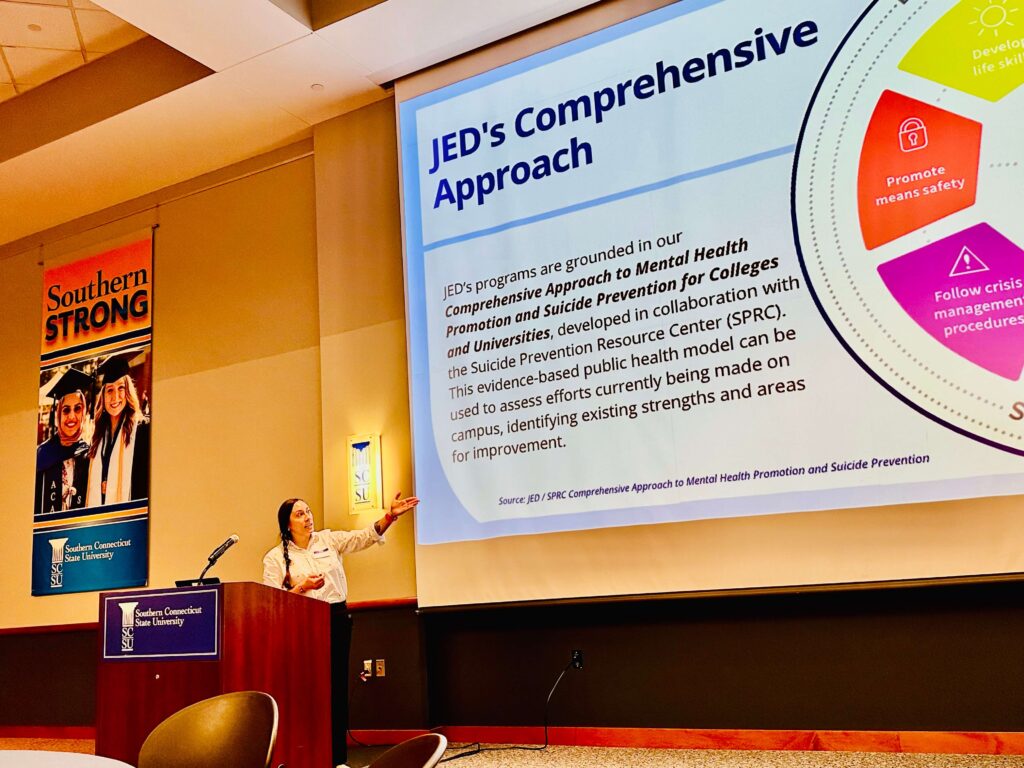
Representatives from the Connecticut State Colleges and Universities (CSCU) met last month for the inaugural CSCU Building Communities of Care gathering, bringing together faculty and staff from each campus and institution to discuss strategies for the initiative. The all-day event was an opportunity for CT Mental Health Coalitions to come together to share wins and challenges and brainstorm new ways for schools to create welcoming, supportive environments for all students on campus.
“There is no way to overstate the role that The Jed Foundation has played in Connecticut,” said Lesley Mara, Associate Vice President at CSCU, in her opening remarks. “The staff and leadership at The Jed Foundation saw the promise in Connecticut and put us forward for funding, which enabled us to proceed as a system at scale. We owe them a debt of gratitude.”
Staff members from all four public universities and the 12 campuses that comprise CT State Community College came together with JED Senior Director of Higher Ed Programs Diana Cusumano and Campus Advisors Michael King, Liz Bracken, and Jeni Willenzik. In breakout sessions, Campus Advisors focused on two critical areas: data storytelling and faculty-counselor partnerships.
Since joining JED Campus, each school has collected student mental health data. The JED panel gave them concrete steps to turn that data into a story that can be shared with the larger campus community, caregivers, and even funders to demonstrate the impact of their work.
To help staff and schools bolster relationships between faculty and counselors and leverage those partnerships to support student mental health, JED staff shared strategies for strengthening faculty-counselor relationships. The panel encouraged faculty and on-staff mental health experts to work together to support student mental health, including discussing ways that faculty can identify and support students who may be struggling and play a role in coordinated responses to distressing events on campus.
A critical message of the event was that a community of care supports not just students, but also faculty, staff, and administrators.
“Although [building a community of care] starts with and focuses on the students we serve, we know it also has to be a community of care for us all,” Mara said. “We hope that, in some small way, today represents a first step.”
At the end of the event, faculty and staff shared that they felt a renewed excitement for the work and a sense of unity with other cohort members.
JED would like to express deep gratitude to Southern Connecticut State University for hosting the event, as well as all school leaders, faculty, and staff who attended for their work building a community not just for students, but also for all education professionals.
Jed was my brother
By Michael Satow
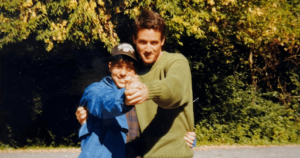
I lost my brother, Jed, to suicide when I was in my early 30s. I had just had my first child when he died. Jed was so excited to be an uncle; my son would have loved him.
Every time someone is lost to suicide, it’s a loss to that person and to everyone around them. When Jed died, it was so difficult because I kept asking the questions, What could I have done? Was it my fault? Was there something I could have done to stop it?
It was an unresolvable tragedy upon a tragedy.
Our family turned this tragedy into resolve. When my parents started The Jed Foundation (JED) nearly 25 years ago, they were determined to find ways to ensure that no family has to go through what we did. They searched for the best approaches and systems to prevent suicide, and looked for the most effective ways to deliver suicide prevention resources to teens and young adults.
Today, JED’s work with schools and communities is far-reaching, as schools implement evidence-based plans to support student mental health, reduce substance misuse, and prevent suicide. These programs and resources reach millions of young people and help them access the support they need to thrive.
It’s clear that the work JED is doing is having an impact. The comprehensive approach JED takes with colleges, universities, and pre-K–12 schools is so exciting — because it’s working. But we need to bring more students under the umbrella of safety. There’s an urgency to get this done as more young people face mental health challenges.
You likely know someone who has been impacted by suicide; the ripple effects of suicide affect all of us. But we can change that.
As the board chair, I see firsthand how far your support of JED goes to help teens and young adults get the mental health support they need. Please join me in supporting JED this holiday season.
Sparking Equity: Confronting the College Mental Health Challenge
JED Unites School Officials From Across Utah for Day of Mental Health Problem-Solving and Planning
By Lauren Patetta
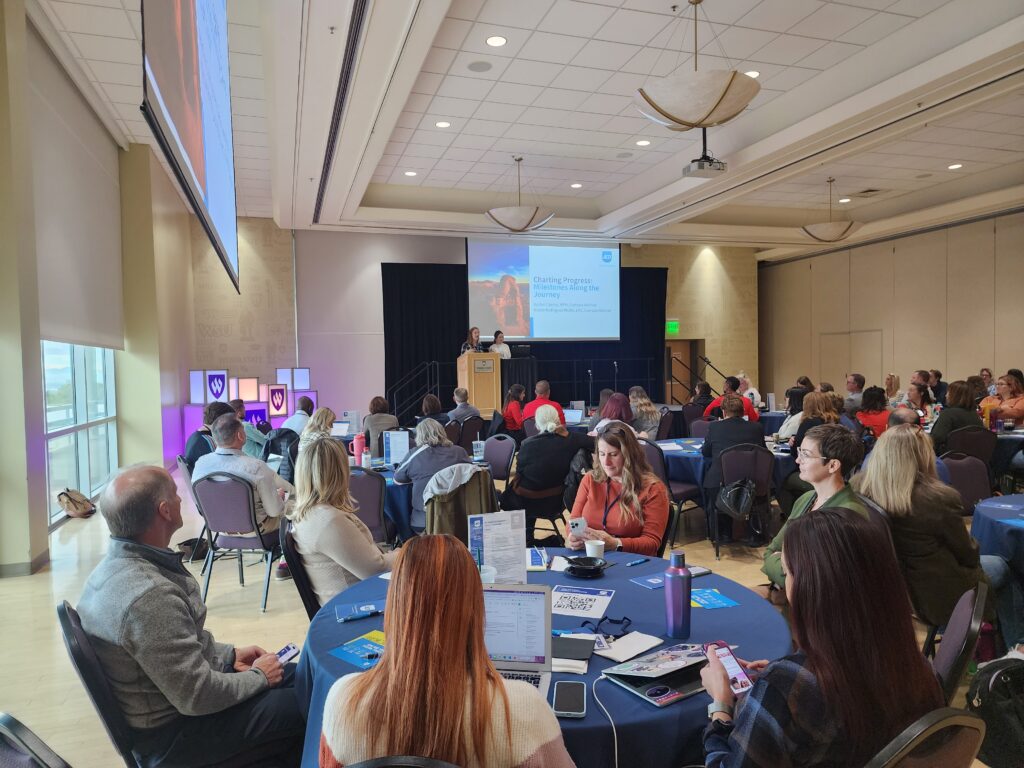
The Utah JED Campus Cohort—consisting of 16 public higher-education institutions in the state—gathered in October at Weber State University for its second in-person convening with JED staff. Each year, the JED Campuses in Utah meet for a day to celebrate the progress each school has made and plan for the next phase of programming for youth mental health.
As the Utah Cohort enters its fourth and final year of the JED Campus program, the group gathered around the theme of Charting Progress and Igniting Futures, with sessions emphasizing accomplishments and highlighting ways to continue advancing student mental health and suicide prevention after the program concludes.
The event opened with a session for peer-to-peer feedback, during which participants worked together to brainstorm solutions to some of their toughest JED Campus–related challenges. Some key areas where faculty and staff were looking for new ideas and troubleshooting included raising student awareness of available resources, engaging all campus leaders in prioritizing mental health, and strengthening communication and coordination of student mental health support across school departments.
Seventy participants from the Utah JED Campuses and leadership from the Utah System of Higher Education joined JED staff members Aisha Folkes, Erlinda Delacruz, Mary Kadera, John Dunkle, Rachel Czerny, Nicole Rodriguez-Mullis, and Shannon Rose. After an opening activity, participants engaged in afternoon sessions on a variety of topics, including crisis management, using data to support mental health initiatives, equity and inclusion, and more.
JED wishes to extend a big thank you to Weber State University for hosting the event, and to the J. Willard and Alice S. Marriott Foundation and the Utah System of Higher Education for their sponsorship and support.
Building Hope: 9 Essential Steps to Reducing Youth Suicide
Adolescence is a critical time in everyone’s development — teens and young adults learn to make decisions, manage emotions, create deeper connections with peers and their communities, and build resilience. Young people’s developing brains are well suited to these tasks, but too often the systems that serve them are not. And the unique pressures they face today have fueled escalating rates of mental health challenges and the number of youth who die by suicide.
The Jed Foundation (JED) — a leading nonprofit that protects emotional health and prevents suicide among our nation’s teens and young adults — recently issued “Youth Suicide: Current Trends and the Path to Prevention,” which highlights suicide trends among youth. One of the report’s key findings was that 10% of high school students attempted suicide in the past year.
“Over the past few years, young people have been significantly impacted by society’s greatest challenges, including the pandemic, war, climate change, racial disparities, and school shootings. They do this without the context, experience, and resilience that adults possess,” said John MacPhee, JED’s chief executive officer.
Although overall suicide rates have continued to increase, there is reason for hope and actions to be taken. The report highlights provisional data from the Centers for Disease Control and Prevention that found that suicide rates for youth ages 10–24 declined between 2021 and 2022, including a significant drop (22%) for girls ages 10–14. With knowledge and resources, parents, educators, communities, and policymakers can help reduce suicide rates among teens and young adults.
“We have an opportunity to actively protect teens and young adults by compassionately providing them with the skills and care they need to succeed while also working to reduce the barriers and risk factors in our society,” said MacPhee.
Supporting youth mental health and preventing suicide requires a systemwide, evidence-based approach. As part of the report, JED outlined nine essential steps to reducing youth suicide that offer solutions to support all youth — including specific recommendations for groups of young people who face additional stressors — improve youth mental health, and prevent suicide.
1. Take a comprehensive approach
Adopting a comprehensive approach is the first step in reducing suicide risk. A great example is JED’s Comprehensive Approach to Mental Health Promotion and Suicide Prevention, which focuses on developing life skills, promoting social connectedness, identifying and supporting students at risk, increasing help-seeking behavior, providing mental health and substance misuse services, establishing and following crisis management procedures, and promoting means safety.
2. Create connection and community
In U.S. Surgeon General Vivek Murthy’s 2023 advisory “Our Epidemic of Loneliness and Isolation,” he points out that youth are especially disconnected and isolated, which can fundamentally affect mental, physical, and emotional health. Designing communities of care in schools, creating opportunities and spaces for young people to meet and gather organically, and supporting intergenerational connections can help address youth loneliness.
3. Meet basic needs and address trauma
There are strong links between poverty, societal and racial inequity, trauma, and mental health struggles. That’s why it’s important to strengthen social safety nets to meet students’ basic needs — like housing, food, education, and health care — and expand access to trauma-informed care.
It’s also critical to use community- and family-based, trauma-informed approaches for reducing youth involvement in the criminal legal system to address important root causes of suicide. Youth (ages 10–24) involved with the criminal legal system die by suicide at rates two to three times higher than the general youth population.
4. Increase coping and emotional support skills
Self-awareness and interpersonal skills help young people better solve problems, manage emotional stressors, and control impulses, improving their ability to move through challenges. Trained, caring adults and young people can play a vital role in helping youth develop and access emotional support and coping skills, including how to identify and reach out to someone who may be struggling and connect them to professional support.
5. Meaningfully increase access to care
Too many young people reach out for professional help and run into barriers. We must support the implementation and enforcement of the Mental Health Parity and Addiction Equity Act, require insurance coverage of mental health services delivered in schools, ensure that provider networks adequately serve diverse populations, and design crisis services to meet the needs of communities.
6. Make widespread use of proven suicide prevention treatments and interventions
There are underutilized treatments that meaningfully reduce suicidal thoughts and attempts. Prioritizing the use of proven approaches like dialectical behavior therapy (DBT), Collaborative Assessment and Management of Suicidality (CAMS), cognitive behavioral therapy for suicide prevention (CBT-SP), attachment-based family therapy, brief safety planning interventions, and pharmacological interventions can help lower suicide rates.
7. Reduce access to lethal means
Reducing access to lethal means is a powerful way to reduce suicide. This is especially true for firearms. Firearms are the leading method of suicide death overall, and approximately 90% of suicide attempts by firearm are fatal. Everyone from families to gun owner groups to legislators can play a role in advocating for and implementing responsible gun storage to meaningfully reduce suicide risk.
8. Advocate for safe online spaces
More and more young people are engaged in online activities in a largely unregulated space. Policymakers and other stakeholders must take a pro-safety approach to apps and platforms where young people spend time, centering youth in any efforts to improve them.
9. Leverage technology to support youth mental health
Although technology can pose risks for young people, it also offers more ways to connect with each other and access mental health care. By leveraging technology, we can provide youth with access to professional help through telemedicine, connect to young people where they are in digital spaces, and use the virtual worlds of gaming, the metaverse, and extended reality to offer resources and support in real time.
Everyone Can Do Their Part
“Suicide rates for young people have been rising for over a decade due to factors that include isolation, increasing access to firearms, and difficulty connecting to mental health treatment. Particular groups of youth are disproportionately impacted because of the effects of social determinants of health,” said Dr. Laura Erickson-Schroth, JED’s chief medical officer. “Our first-of-its-kind report aims to provide a nuanced perspective on how these influences are driving suicidal thoughts, suicide attempts, and deaths among different groups of youth, and identifies strategies that can help parents, educators, public officials, and policymakers mitigate these trends to improve young people’s mental health and save lives.”
However you’re involved in the life of a young person — as a parent, educator, coach, or any other type of mentor — you can be the support they need.
If you or someone you know needs to talk to someone right now, text, call, or chat 988 for a free confidential conversation with a trained counselor 24/7.
You can also contact the Crisis Text Line by texting “HOME” to 741741.
If this is a medical emergency or if there is immediate danger of harm, call 911 and explain that you need support for a mental health crisis.
Download “Youth Suicide: Current Trends and the Path to Prevention” at jedfoundation.org/youth-suicide-current-trends-and-the-path-to-prevention.
About The Jed Foundation (JED)
JED is a nonprofit that protects emotional health and prevents suicide for our nation’s teens and young adults. We’re partnering with high schools and colleges to strengthen their mental health, substance misuse, and suicide prevention programs and systems. We’re equipping teens and young adults with the skills and knowledge to help themselves and each other. We’re encouraging community awareness, understanding, and action for young adult mental health.
Connect with JED: Email | Twitter | Facebook | Instagram | YouTube | LinkedIn
Media Contact
Justin Barbo
Director, Public Relations, The Jed Foundation
justin@jedfoundation.org
914-844-4611
Despite mounting mental health concerns, teens remain heavy social media users
Developing Guidelines for the Aftermath of a Student Suicide
How to Maintain Good Mental Health During College Breaks
JED and Chartwells Provide Back-to-School Resources to 300 College Campuses

By Jessica Hicks
The Jed Foundation (JED) and Chartwells Higher Education, a leader in contract food service management for colleges and universities, partnered this back-to-school season to foster connection and encourage help-seeking as students arrived on their campuses. The initiative took place at more than 300 colleges and universities across the country.
Heading to campus can be a stressful transition for both first-year and returning college students as they juggle social and academic demands, homesickness, and creating a new home. Many college students are also navigating mental health challenges. Recent research finds that more than 60% of college students had at least one mental health problem during the 2020–2021 school year, which is a 50% increase from 2013.

To support students with their emotional well-being during this transition, Chartwells collaborated with JED to expand Joy-Ful, Chartwells’ national campaign to foster belonging within campus communities. Together, they provided students with QR codes they could scan to access JED’s guide How to Make Yourself at Home on Campus, which includes tips on everything from practicing self-care and managing academic stress to establishing a routine, and JED’s Mental Health Resource Center, which houses hundreds of helpful articles and videos on specific mental health issues, feelings, identities, and more.
JED and Chartwells also sponsored a “Wall of Welcome” in dining halls across these campuses, where students could write down their ideas for creating connections at school and pick up Joy-Ful reusable water bottles, tote bags, and more. 
Campuses were also given the opportunity to:
- Distribute “Care Cards” designed with words of encouragement, mental health tips, and QR codes to resources
- Have therapy dogs at campus events
- Host “Eat and Greets” with campus chefs and dietitians
JED is grateful for its continued partnership with Chartwells and looks forward to meeting students where they gather and connect over meals, to offer ongoing support to college students throughout the academic year and beyond.