
Discover how The Jed Foundation’s innovative work over the past 25 years has shaped system changes that support youth mental health and suicide prevention. Read now
The Jed Foundation Awarded $1 Million Grant by Pharmavite to Scale Mental Health and Suicide Prevention Programming
Grant from the makers of Nature Made® vitamins will expand JED’s life-saving work, reaching more than 6.5 million students nationwide
[May 30, 2024-California and New York] The Jed Foundation (JED), a leading nonprofit that protects emotional health and prevents suicide for teens and young adults nationwide, announced today that it is the recipient of a $1 million grant from Pharmavite, a nutrition-powered wellness company and makers of Nature Made® vitamins, the leading national vitamin and supplement broadline brand with over 50 years of delivering high-quality products backed by science.
The grant will expand JED’s life-saving work reaching over 1,200 schools, districts, and campuses, comprising more than 6.5 million students from pre-K through college and beyond. Pharmavite’s philanthropy will allow JED to accelerate work in its mission-driven focus areas including equipping individuals, strengthening schools, and mobilizing communities.
“We are thankful for Pharmavite’s commitment to creating communities of care for teens and young adults by helping them live healthier lives both physically and emotionally,” says John MacPhee, CEO of JED. “This generous grant will offer more schools the opportunity to prioritize and normalize youth mental health for every student through the implementation of JED’s evidence-based Comprehensive Approach to Mental Health Promotion and Suicide Prevention.”
Pharmavite’s gift to JED comes at a critical time for youth mental health in America. Suicides among young children, ages 5 to 11, increased by nearly 15% per year from 2012 to 2017. Suicide is the second leading cause of death among 10-34-year-olds. Forty-two percent of high school students reported persistent feelings of sadness or hopelessness in the past year, while 83% of college students expressed that their emotional or mental difficulties hurt their academic performance.
“Protecting the emotional health and well-being of teens and young adults is critically important as they form the foundation they need for success as they age,” says Jeff Boutelle, CEO of Pharmavite. “The Jed Foundation’s mission-driven work to provide resources to districts, high schools, and colleges and universities is crucial to helping students live lives filled with vitality. I’m proud that Pharmavite is helping accelerate JED’s programs and services to reach even more students across the country.”
The $1 million award will also be used to scale JED’s work in several key areas, including:
- JED Campus and JED High School, flagship programs providing high schools, colleges, and universities expert support, evidence-based best practices, and data-driven guidance to protect student mental health and prevent suicide.
- Suicide Postvention Services, including custom consulting support to schools and campus communities in the aftermath of a sudden and tragic loss of life.
For more information about JED’s academic programs, mental health resources, and ways to donate, visit jedfoundation.org.
About The Jed Foundation (JED)
JED is a leading nonprofit that protects emotional health and prevents suicide for our nation’s teens and young adults. We’re partnering with high schools and colleges to strengthen their mental health, substance misuse, and suicide prevention programs and systems. We’re equipping teens and young adults with the skills and knowledge to help themselves and each other. We’re encouraging community awareness, understanding, and action for young adult mental health.
Connect with JED: Email | X | Facebook | Instagram | YouTube | LinkedIn | Snapchat | Pinterest | TikTok
About Pharmavite
Pharmavite is a pioneer in the health and wellness industry, earning the trust of consumers, healthcare professionals and retailers by developing innovative vitamin and supplement solutions backed by science that adhere to strict manufacturing practices. Through its Nature Made®, Bonafide®, Nature Made® Wellblends, Equelle®, MegaFood®, and Uqora® brands, Pharmavite is dedicated to helping people live healthier, more vital lives. Based in California, Pharmavite is a subsidiary of Otsuka Pharmaceutical Co., Ltd. Visit www.pharmavite.com and follow us on LinkedIn for the latest news and information about Pharmavite and its brands.
Media Contacts
Justin Barbo
Director of Public Relations
The Jed Foundation (JED)
justin@jedfoundation.org
Suicides are at an all-time high in America. One of the best ways to reduce them is gun control
PINK with Purpose Project Honors 10 Generation Z Advocates Strengthening Communities & Promoting Positive Mental Health Nationwide
The Jed Foundation and Victoria’s Secret PINK award $25,000 each for projects that include a documentary film, wellness events and mental health research
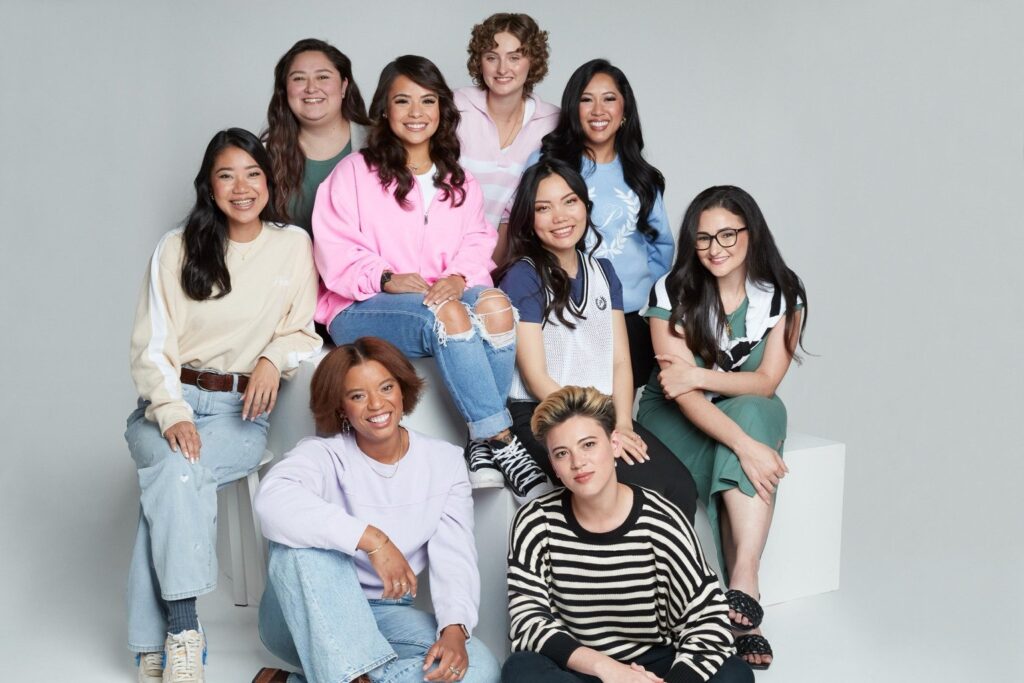
[May 23, 2024, NEW YORK CITY]— The PINK with Purpose Project, presented by The Jed Foundation (JED) and powered by Victoria’s Secret PINK, announced today that 10 Generation Z advocates have been selected to each receive $25,000. These awards will fuel their unique and powerful projects to strengthen their communities or promote positive mental health.
“JED is happy to highlight the help-giving and life-changing work of these 10 incredible young people creating change in their communities through this partnership with Victoria’s Secret PINK,” said John MacPhee, JED CEO. “To truly address the challenges young people face today and to normalize the conversation around youth mental health, young people must have a seat at the table. The PINK with Purpose Project celebrates the influence this generation has had so far and the potential that lies ahead, while also providing opportunities for young adults to make their dreams of change a reality today.”
A sense of purpose is a beacon of hope, associated with improved mental health and well-being. In a world where loneliness and emotional challenges are prevalent, finding and fulfilling one’s purpose is not just uplifting; it is transformative. This is the heart of the Pink with Purpose Project—igniting belief in the ability to make a meaningful difference.
Earlier this month, award recipients gathered in New York City for an Awards Summit to celebrate their achievements and launch their mentorship program with Victoria’s Secret PINK and The Jed Foundation.
The full list of 2024 PINK with Purpose Project awardees are listed below.
Corissa Barrow | The MIND Project Diana Chao | Letters to Strangers
Bethanie Couri | The Hero Door Opener Alexis Hopkins | Shades of Strength
Eva Maria Lewis | BLOOM in the Hood Summit Caeley Looney | Princesses with Powertools
Starla Sampaco | Career Survival Guide Molly Smith | Mission Mariposa
Laurel Tamayo | Healing Lahaina Jennifer Truitt | LGBTQ+ PEACE Project
Awardees were selected by Vivian Tu, Founder and CEO of Your Rich BFF; Wawa Gatheru, Founder and Executive Director of Black Girl Environmentalist; and others who served as judges for the PINK with Purpose Project.
Recipients of the 2024 PINK with Purpose Project Award received:
- $25,000 in funding
- An all-expenses paid trip to New York City to receive their award
- A six-month mentorship program lead by staff from The Jed Foundation and PINK/Victoria’s Secret
- A budget and finance workshop with “Your Rich BFF” Vivian Tu
Funding and partnerships for the 2024 PINK with Purpose Project has generously been provided by Victoria’s Secret & Co. Foundation and The Columbus Foundation.
Bios and more information on individual awardees are available here.
About The Jed Foundation (JED)
JED is a leading nonprofit that protects emotional health and prevents suicide for our nation’s teens and young adults. We’re partnering with high schools and colleges to strengthen their mental health, substance misuse, and suicide prevention programs and systems. We’re equipping teens and young adults with the skills and knowledge to help themselves and each other. We’re encouraging community awareness, understanding, and action for young adult mental health.
Connect with JED: Email | X | Facebook | Instagram | YouTube | LinkedIn | Snapchat | Pinterest | TikTok
PINK is a lifestyle brand for young women focused on providing on trend products including bras, panties, loungewear, knit tops, activewear, accessories, beauty and more. PINK uses its platform to create connection and community.
Media Contacts
Justin Barbo
Director of Public Relations, The Jed Foundation
justin@jedfoundation.org
918-844-4611
Melanie Fisher
VP of Public Relations, Victoria’s Secret PINK
pr@victoria.com
19% of U.S. adults report frequently or always feeling lonely, new Yahoo/YouGov poll finds. Here’s why — and which age group is affected most.
New Survey Finds College Students Nearly 50% More Likely Than High Schoolers to Self-Report High-Risk Mental or Behavioral Health Concerns – and Parents May Not Know
New Survey Finds College Students Nearly 50% More Likely Than High Schoolers to Self-Report High-Risk Mental or Behavioral Health Concerns – and Parents May Not Know
District Spotlight: Hardin Public Schools in Montana

In March 2024, The Jed Foundation (JED) and AASA, The School Superintendents Association, announced the selection of 15 school districts to participate in the District Comprehensive Approach (DCA) pilot, a transformational program that guides districts in improving systems of support for pre-K–12 students’ emotional well-being. The program, now called the JED and AASA District Mental Health Initiative, is enrolling new districts into future cohorts.
In an ongoing series of blog posts, we feature each of the pilot districts and their work learning and leading powerful mental health and suicide prevention practices that will benefit students around the country.
District: Hardin Public Schools in Montana
Number of schools: 7
Number of students: Over 1,800
About the district: Hardin is a close-knit farming and ranching community in rural Montana.
JED and AASA asked Tobin Novasio, superintendent of Hardin Public Schools, about the district’s participation in the DCA program. (Responses have been edited lightly for length and clarity.)
What is your primary reason for participating in the DCA inaugural cohort?
Like many schools, we are dealing with more mental health issues than in the past, and we’re searching for ways to better support our students and staff. Many of the youth we serve are proud members of the Crow and Northern Cheyenne Nations whose communities have navigated generations of challenges, including negative effects of geographic isolation, discrimination, unemployment, and substance misuse. These communities have also experienced barriers to accessing economic opportunities, safe and stable housing, quality healthcare, and mental health support that respects cultural traditions, practices, and values.
Our community is deeply impacted by the ongoing crisis of Missing and Murdered Indigenous Persons. Many of our Crow and Northern Cheyenne students and their families continue to experience the lasting effects of trauma, including intergenerational trauma.
Through our partnership with JED and AASA, we aim to build on the resources already in place and ensure they are more cohesive and sustainable in supporting our students, families, and staff.
Explain why student emotional well-being is a priority for you, your district, and your community.
Maslow’s Hierarchy of Needs tells us that for students to get to a place of strong academic growth, we must first make sure their basic needs are being met. This includes meeting physical needs such as safety, warmth, and nourishment, as well as social and emotional needs like feeling emotionally secure, cared for, and a sense of belonging. We can bring in the best academic programs in the world, but if our students’ basic needs are not being met, they will not be ready to learn.
What does participating in the DCA program mean for the well-being of your students and the culture of your district?
Participating in DCA increases our ability to access research-based support and gives us an avenue to continue conversations about youth mental health needs. We hope that by providing more mental health support for students and their families, we can positively impact students’ lives outside of our school as well — a possible step toward breaking the cycles of poverty. We also hope that we can combine JED’s best practices with our local tribal cultural traditions.
How does involvement with the DCA program impact public education nationwide?
Our needs and resources are likely much different than those of larger districts participating in the program. We hope to develop strategies specific to Hardin’s needs and available resources, with the goal that some of the tools might be applied in other Indigenous and/or rural districts nationwide.
Where do you hope to be one year from now on this journey?
We know this is a long journey and there is no overnight cure for generational issues. We certainly hope we will be making progress by having additional support in place and having candid discussions about the importance of mental health.
Read about the other school districts in the pilot program:
- Chandler Unified School District in Arizona
- Fargo Public Schools in North Dakota
- Harford County Public Schools in Maryland
- Harford County Public Schools in Maryland
- Minnetonka Public Schools in Minnesota
- Montgomery County Public Schools in Maryland
- Vineland Public Schools in New Jersey
How to Use the “I Do, We Do, You Do” Model to Build Emotional Well-Being in Teens
6 Key Action Items From “The Wellness Blueprint,” a Convening of Top Higher Education and Mental Health Policy Leaders

By Jessica Hicks
From April 29 to May 1, 2024, The Jed Foundation (JED) and the State Higher Education Executive Officers Association (SHEEO), with generous support from the Lumina Foundation, hosted an inaugural convening of top education and mental health professionals along with college students and representatives from the U.S. Department of Education (ED) to discuss critical policy changes needed to support student mental health. The convening, aptly named The Wellness Blueprint: Cultivating Foundations for Statewide Student Mental Health Policy, made the path toward improved student well-being clearer than ever.
More than 50 stakeholders gathered in Minneapolis for the three-day event, which included panel discussions and presentations on everything from evidence-based policy and program development to creating equitable mental health supports and fostering collaboration across student bodies, institutions, and state governments. The convening featured a keynote speech from Roberto J. Rodríguez, ED’s Assistant Secretary for Planning, Evaluation, and Policy Development, and welcomed policy leaders from Arizona, Louisiana, Minnesota, New Jersey, North Carolina, Oregon, Pennsylvania, and Texas.
The Wellness Blueprint covered dozens of topics to improve mental health for our nation’s college students and uncovered ways states can learn from and lean on one another to support student well-being, but there were six major takeaways that linked the events:
- Implementing a comprehensive approach to mental health
- Acknowledging external factors that impact mental health
- Implementing mental health programming that is fair and inclusive of people of all backgrounds
- Making mental health initiatives a financial priority
- Using evidence-based practices to develop mental health policy and programming
- Fostering collaboration to advance mental health advocacy and policymaking
Read more about key takeaways, considerations, and the strides state education and mental health leaders are making below.
Implementing a Comprehensive Approach to Mental Health
“The statistics are clear: Young people are currently facing unprecedented mental health challenges,” says Dr. Zainab Okolo, JED’s Senior Vice President of Policy, Advocacy, and Government Relations. “At JED, our data demonstrates that when comprehensive approaches are implemented and championed by higher education systems, we can meaningfully reduce suicidal ideation, planning, and attempts.”
Throughout The Wellness Blueprint discussions, state higher education representatives highlighted the importance of developing cross-state early intervention strategies and preventive spaces and opportunities to secure the well-being of students, rather than leaning on reactionary measures.
Acknowledging External Factors That Impact Mental Health
Student mental health doesn’t exist in a silo. Attendees discussed how external forces, such as the COVID-19 pandemic, technological advancements, and societal challenges, affect student well-being and need to be considered when developing mental health programming. They need to be not only considered, but also proactively addressed so no student is left without the support they need.
During the Learning Community State Showcases: Examining Strategies to Enhance Student Mental Health Policies presentation, leaders from Pennsylvania shared how their PA MASLOW model recognizes that students’ basic needs, such as feeling safe and having access to food and housing, need to be met in order to support mental health and overall success. The model allows educators and policymakers to think strategically about creating supportive collegiate environments and connects students to resources to fulfill their basic needs.
Leaders from Oregon touched on how they expanded basic needs navigators that connect students to resources both on campus and in the community. They also shared that they are hosting one-on-one success-planning sessions and tutoring for students, as well as providing services directly to student organizations and cultural centers where students already gather so they can more easily be connected to resources.
Implementing Fair and Inclusive Mental Health Programming
The convening emphasized the importance of recognizing the unique needs of students from marginalized communities and calling for the representation of diverse voices and perspectives in mental health policy and service delivery. That challenge has become even greater in the face of legislation in many states that threaten to close campus multicultural centers and DEI offices, ban the teaching of critical race theory, and more.
Hiring culturally responsive mental health counselors and faculty members that reflect the identities and experiences of the student body, offering campus services in multiple languages, and connecting campus cultural centers and groups with resources to share with their members are ways states can ensure their mental health programming addresses the needs of people from all backgrounds and identities. In some cases, they’re already doing it in the face of challenges.
Making Mental Health Initiatives a Financial Priority
Campus mental health initiatives are essential and deserving of budget allocations, not only because of the benefits to students, but also because of the potential return on investment for communities, schools, and society as a whole.
In his presentation, Show Me the Money: The Case for Investment in Mental Health, Daniel Eisenberg, a principal investigator at the Healthy Minds Network, shared research that suggests that reducing depressive symptoms among students may increase retention, which ultimately benefits colleges and universities through increased tuition and benefits students and society through increased lifetime productivity.
Using Evidence-Based Practices to Develop Mental Health Policy and Programming
The convening stressed the importance of using research findings, as well as engaging with reputable organizations through an equity lens when developing, implementing, and reviewing policies and programming.
Although leaning on data is imperative to developing best practices and making the case for mental health investment, Eisenberg also highlighted in his panel the importance of being culturally responsive when considering data. He emphasized that there are limitations to data. What works for one student population may not work for another more diverse population, and institutions must consider student culture when collecting and using evidence.
Fostering Collaboration to Advance Mental Health Advocacy and Policymaking
Teamwork is what makes mental health policy work. Students and stakeholders discussed how centering student voices, encouraging faculty to work in collaboration with student advocacy groups, and creating spaces that allow students to feel seen and get a sense of belonging can foster collaboration and positive change.
By embracing comprehensive public health approaches, recognizing external influences, prioritizing diversity and equity, allocating resources strategically, and grounding decisions in evidence-based practices, states are poised to transform the landscape of student mental health support. As we reflect on the shared commitment and determination witnessed in Minneapolis, JED will continue to carry forward the momentum, united in our resolve to champion the well-being of every college student across the nation.
Check out photos from the Minneapolis convening.
Protests Magnify Concerns About Student Mental Health
JED Stigma Report Appears In National & Local Media Coverage
Find news coverage about Unraveling the Stigma: Exploring Barriers to Mental Health Support Among U.S. Teens, original research by The Jed Foundation (JED), made possible by the support of the Morgan Stanley Alliance for Children’s Mental Health, which investigates the extent to which stigma is a barrier in help-seeking for teens, what other barriers are present, and where youth are turning for support.
- NBC News Now: The Jed (JED) Foundation Releases Report on Mental Health Stigmas & Teens
- Sinclair Broadcast Group: How comfortable are you talking about mental health? Americans weigh in
- Speaking of Teens Podcast: Why Your Teenager Doesnt Want To Talk To You About Their Mental Health
- Inside Higher Ed: Survey: Getting a Grip on the Student Mental Health Crisis
- Education Week: Why It’s Important to Recruit More School Counselors of Color