
New CDC Report Offers Glimpse at Trends in Youth Mental Health

New data from the U.S. Centers for Disease Control and Prevention (CDC) offers a mixed assessment of youth mental health, finding improvement in some key areas of concern and decline in others.
The Youth Risk Behavior Survey Data Summary & Trends Report: 2013-2023, released last week, compares data collected in 2023 with findings from the same study over the past decade, showing trends for the past 10 years, as well as more recent developments.
In one finding, the percentage of students who felt persistently sad or hopeless grew from 30% in 2013 to 40% in 2023. But it has decreased slightly since 2021, when it peaked at 42%. Female students consistently report higher rates of sadness and hopelessness than male students (53% vs. 28% in the most recent survey), but rates dropped for female students from 2021 to 2023 (57% to 53%).
On the other hand, bullying at school remained relatively constant over the decade from 2013 to 2023, decreasing slightly from 20% to 19%. School bullying temporarily dropped to 15% in 2021 — perhaps because fewer students were in school during the early part of the pandemic.
“Surveillance systems like the Youth Risk Behavior Survey help us to understand the statistics we’re seeing about youth mental health in a historical context,” said Dr. Laura Erickson-Schroth, Chief Medical Officer at The Jed Foundation (JED). “The pandemic was a difficult time for young people across the country, and the data shows us that there were other forces negatively affecting young people’s mental health even before the pandemic began. It’s a good sign that students’ mental health is recovering, and we need to continue to support policies and programs that will push the numbers lower.”
Other highlights of the report include:
- High school students are less likely to be having sex, drinking, and using drugs than they were in 2013.
- Female and LGBTQ+ students continue to experience higher levels of violence, substance use, poor mental health, and suicidal thoughts and behaviors than male and cisgender heterosexual students.
- American Indian/Alaska Native youth are more likely than other racial and ethnic groups to report feeling persistently sad or hopeless, experiencing poor mental health, seriously considering attempting suicide, and making a suicide plan.
- Latinx students were less likely to report poor mental health and suicidal thoughts and behaviors compared with 2021.
- The percentage of Black students who reported they attempted suicide or were injured in a suicide attempt decreased since 2021.
The 2021 and 2023 surveys also asked about some important issues that were not included in earlier versions of the study. These include:
- Racism in school: Almost a third of students reported facing racism at school, with Asian students (57%) and Black students (46%) the most likely to report experiencing it.
- Unfair discipline in school: Black (23%) and American Indian/Alaska Native (32%) students reported more so than other groups being unfairly disciplined in school.
- Bullying at school and online: 19% of all young people reported experiencing bullying at school and 16% said they were cyberbullies. Slightly more white youth than those of other racial identities reporting they were bullied at school (23%) or “electronically bullied” (20%), while among LGBTQ+ youth, 29% experienced bullying at school and 25% of reported they were “electronically bullied.”
The data also shows that some groups feel less of a sense of connection at school than others do. In particular, female and LGBTQ+ students reported they are less likely to feel close to people at school (compared with male students and cisgender, heterosexual peers, respectively), and Native Hawaiian and Pacific Islander students are the least likely of any group to feel connection at school.
“Belonging is essential to the human experience,” said Dr. Erickson-Schroth. “One of the most important things we can do to support young people is to help them find community.”
Creating connection and community is one of nine steps to preventing youth suicide recommended in JED’s report Youth Suicide: Current Trends and the Path to Prevention. To achieve this, the report calls for designing inclusive school climates that value social acceptance, creating opportunities for young people to socialize with each other while exploring their identities and interests, and encouraging youth to volunteer, engage in advocacy work, or find other ways to give back to their communities.
To counter the negative trends in youth mental health, Dr. Erickson-Schroth said adults should work to better understand the reasons young people have trouble seeking out help, which are different than in the past.
A recent JED study, Unraveling the Stigma: Exploring Barriers to Mental Health Support Among U.S. Teens, found teens today are less likely than they were in the past to be ashamed or embarrassed about seeking help for mental health concerns. Teens today often worry that the adults will not understand them or will jump immediately into problem-solving mode instead of listening empathetically.
Dr. Erickson-Schroth advised parents and caregivers to address the topics of mental health and suicide directly with their children.
“Importantly, it’s OK to say suicide,” she said. “Many people worry that talking about suicide will make things worse or give someone ideas. Research shows the opposite — bringing up suicide with someone who is thinking about it typically provides a sense of relief and increases the likelihood that they will seek out help.”
Schools also have a key role to play in safeguarding and improving youth mental health, especially considering how much time young people spend there. In a separate Action Guide for School and District Leaders, the CDC offered six strategies:
- Increasing students’ mental health literacy
- Promoting mindfulness
- Promoting social, emotional, and behavioral learning
- Enhancing connectedness
- Providing psychosocial skills training and cognitive behavioral interventions
- Supporting staff well-being
“The most important step schools can take is to utilize a comprehensive approach to address student mental health, ensuring that they don’t miss important chances to intervene,” said Dr. Erickson-Schroth. “It’s heartening to see that school leaders throughout the country are raising their hands to do this work.”
In addition to its work with schools and community organizations, JED offers resources for teens and young adults, parents and caregivers, and educators, including:
National & Local Media Coverage of Google.org and DonorsChoose Support of JED’s Training Courses
To kick off its $10 million Google Teen Mental Health Initiative, Google.org has fully funded all live DonorsChoose projects posted by August 12 requesting mental health resources for high school students. As part of the initiative, Google.org has supported JED, along with the Child Mind Institute and The Steve Fund to develop nine virtual mental health training courses.
Find news coverage of Google.org and DonorsChoose support of JED’s mission-driven work.
- ABC News: Google and Selena Gomez partner to fund teen mental health in the classroom
- GlobeNewswire: Google’s $10 million Initiative aims to provide mental health resources to one million high school students
- AP News: Google and Selena Gomez partner to fund teen mental health in the classroom
- KSAT: Google and Selena Gomez partner to fund teen mental health in the classroom
- MSN: Google and Selena Gomez partner to fund teen mental health in the classroom
JED Develops Training Courses With Support From Google.org and DonorsChoose and Shares Funding Opportunities
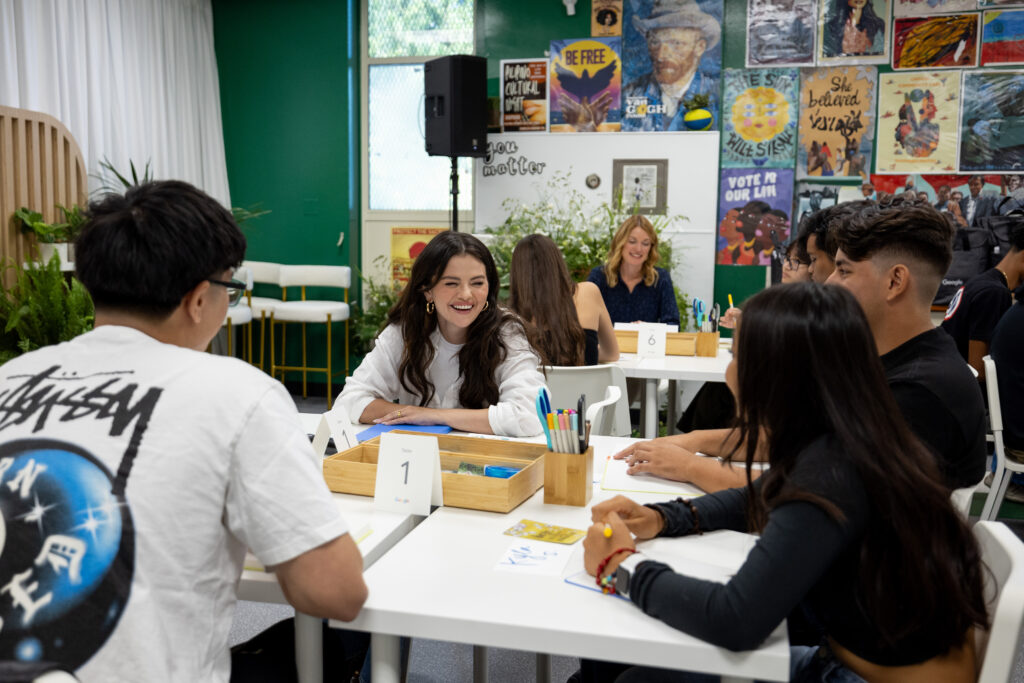
As educators prepare lesson plans and set up their classrooms, we know they’re also thinking about how to care for their students’ well-being throughout the year. To help, The Jed Foundation (JED), with support from Google.org and other partners, is providing resources high school teachers need to support their students’ mental health — including training courses and information about funding opportunities.
To kick off its $10 million Google Teen Mental Health Initiative, Google.org has fully funded all live DonorsChoose projects posted by August 12 requesting mental health resources for high school students. They’re also donating $500 to eligible high school mental health projects posted on or after that date until December 31, 2024.
As part of the initiative, Google.org has supported JED, along with the Child Mind Institute and The Steve Fund to develop nine virtual mental health training courses. High school teachers who complete one of the training courses will be eligible for a $200 DonorsChoose gift code until December 31, 2024.
“As a former educator, I understand the vital role teachers play in supporting their students,” says Renia McCauley, the Director of Learning and Development at JED. “The courses we developed offer practical tools and resources that teachers can immediately apply. We’re excited for teachers to explore these courses, expand their toolboxes, and receive funding to bring their projects to life.”
JED’s courses include:
- Identifying and Supporting Students in Distress: Learn to identify warning signs of distress in students and provide a pathway to mental health resources and support.
- Creating an Inclusive Community of Care: Learn tips for building an inclusive community of care within your classroom — a supportive and inclusive environment where students, including those from historically marginalized groups, feel valued, respected, and connected.
- Helping Students Develop Healthy Social Media Practices: Explore how social media can impact the teenage brain, the mental health risks and benefits of social media, and how to empower your students to have a positive online experience.
These research-backed training courses offer actionable tips and exercises educators can use in their own lives and classrooms, and include engaging video content hosted by Kiana Davis, JED’s Senior Manager of Educational Programming. Other courses developed through the partnership cover topics such as:
- Co-Regulation: Supporting Self and Students in Tense Situations
- Creating Safe Spaces to Discuss Mental Health
- Self Care: Caring for the Caregiver, Tackling Burnout
- Creating Trauma Sensitive Classrooms: Healing-Centered Engagement
“Teachers support so much more than student academic growth — they are a key part of a student’s community of care, helping them feel valued, respected, and connected,” says Melinda Evans, a Senior Instructional Designer and Developer at JED. “A teacher may be the first adult to notice a student experiencing mental health challenges and can help connect them to key resources.”
Educators can take one (or more!) of the training courses mentioned above by visiting https://www.donorschoose.org/googlementalhealthtraining.
DCA District Spotlight: Harford County Public Schools in Maryland
In March 2024, The Jed Foundation (JED) and AASA, The School Superintendents Association, announced the selection of 15 school districts to participate in the District Comprehensive Approach (DCA) pilot, a transformational program that guides districts in improving systems of support for pre-K–12 students’ emotional well-being.
In an ongoing series of blog posts, we feature each of the 15 districts and their work learning and leading powerful mental health and suicide prevention practices that will benefit students around the country.
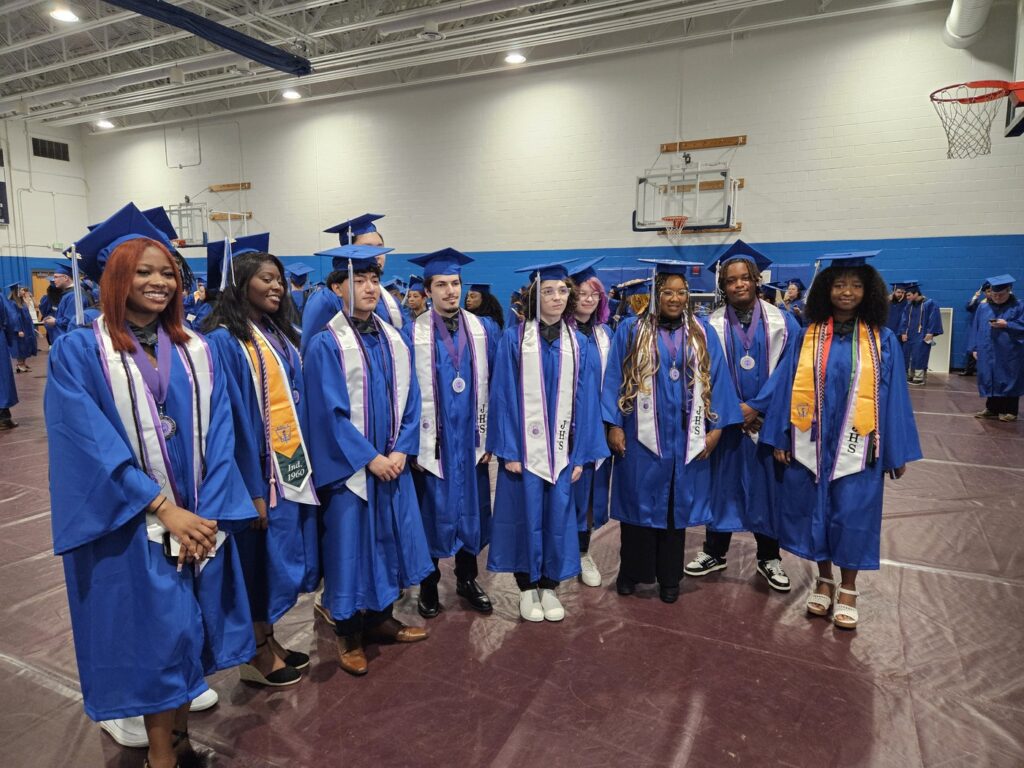
District: Harford County Public Schools in Maryland
Number of schools: 55
Number of students: 38,000+
About the district: Harford County Public Schools (HCPS) is located in the northeastern portion of Maryland. The district’s mission is for each student to attain academic and personal success in a safe and caring environment that honors the diversity of its students and staff.
JED and AASA asked Dr. Sean Bulson, superintendent of HCPS, about what the district hopes to accomplish during its time in the DCA program. (Responses have been edited lightly for length and clarity.)
Why is student emotional well-being a priority for your district?
We are focused on the whole child, and we understand that a student’s emotional well-being plays a vital role in not only their wellness, but their academic performance and chance at future success as well.
What does your participation in the DCA program mean for the well-being of your students and the culture of your district?
It means our students will benefit from programs and initiatives that we put in place as a result of the work we do with JED and AASA. We will not only incorporate new ideas into our existing programs, but also refine our processes and provide a state-of-the-art wellness program that will have benefits for the entire community.
Please tell us about an existing program or initiative and how you build on it as part of your work with DCA.
Each year, HCPS administers the Wellness Needs Assessment. This tool is used to gather data about the mental and physical wellness of students in grades 3 to 12. In response to this data, schools develop and implement programming that will address their students’ needs. Through our work with JED, we have been able to take a deeper dive into our existing programs countywide. We plan to explore ways for these programs to expand into other schools and make a larger impact on more students.
Where do you hope to move the needle in your district as it relates to mental health?
We hope to help our staff incorporate social and emotional skills into daily lessons that are employability competencies. In doing so, we can better prepare our students for a successful life after graduation. We are also focused on addressing students’ experiences with suicidal ideation.
Survey: ‘Everything’ Stresses Students Out. How Can Colleges Help?
Preteen suicide rates climb; disparities noted among girls and youth of color
Reflecting on Bebe Moore Campbell National Minority Mental Health Awareness Month

By Erlinda Delacruz
As a Filipina, I recognize the strength and resilience I see in my people. We have survived hundreds of years of colonization, multiple natural disasters, government corruption, and so much more. Yet we are still a people. We are still here.
We are a people known for our hospitality, inclination to karaoke, and building community and warmth around food. Our history and the history of America, however, still have lasting impacts today. My kababayans (fellow Filipino/as) and those from other communities of color face obstacles and additional stressors that increase our risk factors for experiencing distress or mental illness while also creating barriers to receiving treatment.
July is Bebe Moore Campbell National Minority Mental Health Awareness Month, also known as BIPOC Mental Health Awareness Month. Moore Campbell was an author, journalist, teacher, and advocate who tried to help her daughter navigate the mental health system. She shined a light on the nuanced mental health challenges and stressors our communities face, as well as structural and historical disparities. By understanding and addressing those barriers, we can ensure that all people have the support they need to thrive.
At The Jed Foundation (JED), we are dedicated to creating mental health initiatives that consider the inclusion and belonging of all communities while protecting emotional health and preventing suicide.
Throughout our work, we champion cultural responsiveness, which is a cornerstone of effective mental health care. A therapist who understands a person’s cultural background can foster a sense of belonging, eliminating the need to constantly explain one’s culture. That can significantly enhance the therapeutic process. Acknowledging, reframing, and integrating within therapy the strengths of BIPOC communities — such as community cultural wealth — can also enhance mental health interventions and outcomes. As just one example, a culturally responsive therapist will understand the difficulties of being the ate (oldest sister) of an immigrant Filipino family without having me tell them what that means.
JED is part of Path Forward, a coalition of mental health organizations working to expand equitable access to high-quality mental health care systemwide. We know that creating a more inclusive and sustainable future in mental health care will require systemic changes in how we train and compensate clinicians, and how we connect clients to them. I’d like to offer a few suggestions for how to make that a reality.
We must invest in training and retaining more clinicians of varied identities. That is critical, because data has shown that only about 19% of the psychology workforce are People of Color, and only about 3% are Asian. With so few practitioners of color available, the counselors are more likely to be in high demand and therefore less accessible. They may also suffer from compassion fatigue, racial battle fatigue, and burnout. To ease that burden, clinicians — even highly experienced ones — must be offered training in understanding different cultures, as well as improved work conditions and competitive salaries so they don’t burn out from their roles.
We must also remove financial barriers to accessing care by lowering copays and premiums and ensuring comprehensive insurance coverage for mental health and substance misuse treatment. Insurance companies should also ensure they have enough clinicians in their networks to meet demand, and, importantly, include clinicians who represent the diversity of the communities they serve.
Mental health platforms should be updated to help clients easily find suitable clinicians, and social services must be expanded to support individuals before they reach a crisis point. Finding the right therapist is a process akin to dating, and it may take time to find the right therapist and establish a trusting relationship. Systems must be designed with that in mind, and with continuous feedback from diverse communities to ensure solutions are relevant and effective.
As we advocate for our needs, we must remember to rest. Self-care can be dwarfed by feelings of being overwhelmed by pervasive systemic inequities and the pressures of carrying familial and communal responsibilities. It’s crucial to remember that taking time for oneself is necessary for overall well-being. Saying no or “not now, but later” can be powerful acts of self-preservation.
The JED Mental Health Resource Center offers valuable information on common emotional health issues and provides guidance for teens and young adults on supporting one another and managing life’s challenges.
As we reflect on BIPOC Mental Health Awareness Month and celebrate Bebe Moore Campbell, let us commit to advocating for inclusive mental health support and remembering to rest along the way.
Implementing Comprehensive Student Mental Health Programs in HE: Changing Higher Ed Podcast 216 with Host Dr. Drumm McNaughton and Guests Tony Walker and James Kohl
JED Commemorates National Minority Mental Health Awareness Month

July is Minority Mental Health Awareness Month, sometimes referred to as BIPOC (Black, Indigenous, and People of Color) Mental Health Awareness Month. It is a time to center attention on the unique mental health needs BIPOC people face as a result of systemic inequities, celebrate the rich traditions that exist within diverse cultures, and advocate for improving mental health outcomes among BIPOC people.
The month is also sometimes referred to as Bebe Moore Campbell National Minority Mental Health Awareness Month. Moore Campbell, who lived from 1950 to 2006, was an author, journalist, teacher, and advocate whose work explored and shed light on issues of mental health in Black communities and among other underrepresented groups.
At The Jed Foundation (JED), we are dedicated to creating mental health initiatives that consider the inclusion and belonging of all communities while protecting emotional health and preventing suicide. This month — and every month — we strive to implement mental health programming and create resources that are mindful of diverse perspectives, experiences, and cultural and ethnic backgrounds, and also bolster the unique strengths of communities of color.
Our approach, known as Equitable Implementation, ensures that our programs and resources are tailored to address the specific challenges and additional stressors various groups face while leveraging their inherent strengths.
In a new JED video series, three mental health professionals and JED Advisory Board members share how their cultural and racial identities have informed their understanding and practices around mental health. The series, #StrengthInDiversity, highlights the powerful healing potential of exploring your racial identity and leaning into your communities.
“My mental health has benefitted from therapy, yes, but, just as importantly, my mental health flourishes with understanding Asian American history; getting appreciation for survivance, creativity, and contributions of our communities; and from actively living my values,” Dr. Helen Hsu, a clinical psychologist and JED Advisory Board member, says in her video, Traditions for Your Mind, Body, and Spirit.
“Traditions my ancestors have practiced for thousands of years now validated as evidence-based as beneficial for health — things like tai chi, meditation and mindfulness, plant medicine, balancing inflammation through foods, and art and creative expressions like music, song, writing, and poetry,” Dr. Hsu says. “There’s no single model of health or wellness.”
As a person of color, there are many ways to seek out support that leave you feeling seen and heard, including working with a culturally competent therapist, joining a support group for people of your identity group, and curating a social media feed that reflects your identity.
JED offers mental health resources specifically focused on the needs of teens and young adults of diverse identities and a guide on how to find a therapist who understands your identity. We also have resources geared toward members of particular communities.
- Resources for Asian American and Pacific Islander people
- Resources for Black/African American people
- Resources for Latiné people
- Resources for American Indian and Alaskan Native people
In another of our #StrengthInDiversity series videos, Carolina Zerrate, M.D., a child, adolescent, and adult psychiatrist and JED Advisory Board member, says she learned to integrate her Latiné identity with her professional practice by working with Latiné youth and families.
“As I naturally connected with my patients and families in a more authentic way, not only did I become happier and more comfortable in my job, but I got better at it every day,” she says in her video, Celebrating Latinidad. “Living in my Latinés’ values, honoring my heritage and background truly allow me to practice in a more culturally humble stance, honoring and respecting the fact that, as humans, we each have different and unique experiences, knowledge, expertise, skills that are equally important when we’re working together.”
Find additional mental health resources for diverse identities, this month and anytime, on our website, or watch the full #StrengthInDiversity series on YouTube.
National & Local Media Coverage of JED’s Reaction to U.S. Surgeon General’s Social Media Warning Label Recommendation
Find news coverage of JED’s reaction to the U.S. Surgeon General’s national recommendation for social media warning labels.
- WedMD: Six Families Offer Ideas to Manage Teen Social Media Use
- Sinclair Broadcast Group: Surgeon general calls for social media warning labels amid youth mental health ’emergency’
National & Local Media Coverage of JED’s Reaction to U.S. Surgeon General’s Advisory on Firearms Violence
Find news coverage of JED’s reaction to the U.S. Surgeon General’s national recommendation to declare firearms violence a public health crisis.
- Mental Health Weekly: Field reacts to U.S. Surgeon General Advisory on firearm violence
- Sinclair Broadcast Group: Citing ‘collective trauma,’ surgeon general issues advisory on gun violence
- NJ Spotlight News: Recognizing gun violence as more than a criminal justice problem